
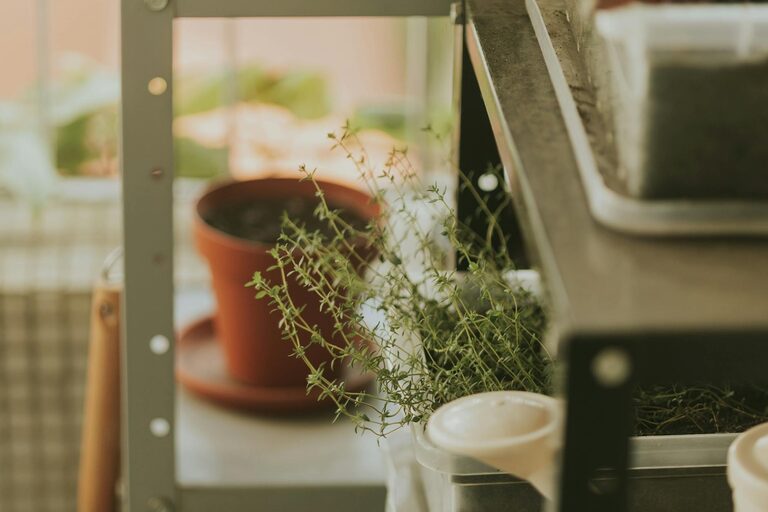
Growing your own herbs indoors is a wonderful way to add fresh flavors to your meals, improve your kitchen’s ambiance, and enjoy a satisfying gardening experience without needing a large outdoor space. Whether you’re a seasoned gardener or new to planting, starting a small herb garden inside your home can be simple and enjoyable. In this guide, you’ll learn how to select the right herbs, prepare your space, and care for your indoor plants successfully.
Why Grow Herbs Indoors?
Indoor herb gardens offer several benefits:
– Freshness: Enjoy fresh herbs anytime, without trips to the store.
– Convenience: Herbs are easily accessible when cooking.
– Space-Saving: Perfect for those without outdoor gardens.
– Air Quality: Indoor plants help improve air quality.
– Stress Relief: Gardening is a relaxing hobby that boosts well-being.
With these benefits in mind, let’s explore how to create your herb garden step-by-step.
Choosing the Right Herbs for Indoor Growth
Some herbs thrive better indoors due to their size, light requirements, and growth habits. Here are popular beginner-friendly herbs to consider:
– Basil – Loves sunlight and warmth; perfect for sunny kitchens.
– Parsley – Tolerates medium light; versatile for many dishes.
– Mint – Grows rapidly and prefers indirect light; best kept in its own container.
– Chives – Hardy and requires moderate sunlight.
– Thyme – Thrives in bright light and dry soil.
– Cilantro – Needs cooler temperatures and moderate light.
– Oregano – Prefers bright light and well-drained soil.
When selecting herbs, think about the types you use most and check their specific care needs.
What You’ll Need to Get Started
Before planting, gather these basic materials:
– Containers: Choose pots with drainage holes; small to medium sizes work well.
– Potting Soil: Use a well-draining, organic potting mix designed for herbs or vegetables.
– Seeds or Starter Plants: Starter plants are easier for beginners, but seeds offer more variety.
– Light Source: A sunny windowsill with 6+ hours of direct sunlight is ideal. If not possible, consider a grow light.
– Watering Can or Spray Bottle: For precise watering.
– Labels: To keep track of your herbs.
Step-By-Step Guide to Planting Your Indoor Herb Garden
1. Select a Location
Choose a spot that receives plenty of natural light, such as a south-facing window. If natural sunlight is limited, a grow light placed close to your plants for about 12-16 hours a day can substitute well.
2. Prepare Your Containers
Fill each pot with potting soil, leaving about an inch of space at the top. Make sure containers have drainage holes to prevent waterlogging.
3. Plant Your Herbs
– For seeds: Follow package instructions regarding planting depth and spacing.
– For starter plants: Gently loosen the roots and plant them at the same depth they were in their nursery container.
Water lightly after planting to help settle the soil.
4. Watering Routine
Most herbs like their soil moist but not soggy. Water when the top inch of soil feels dry. Avoid overwatering because it can cause root rot.
5. Provide Adequate Light
Herbs need plenty of light to thrive. Move them if they begin to stretch or lean toward the light source.
6. Regular Maintenance
– Pruning: Regularly pinch back the herbs to promote bushier growth.
– Fertilizing: Use a diluted liquid fertilizer every 4–6 weeks.
– Pest Control: Check for pests like spider mites or aphids and treat naturally if needed.
Tips for Success
– Rotate plants weekly to ensure even growth.
– Use small stakes for plants like basil that may become tall.
– Repot plants if they outgrow their containers.
– Harvest herbs by snipping leaves rather than pulling the whole plant.
Common Challenges and How to Overcome Them
Issue: Yellowing leaves
Solution: Overwatering is often the cause; adjust watering frequency and check drainage.
Issue: Leggy plants
Solution: Plants may be reaching for light; increase light exposure or add a grow light.
Issue: Pests
Solution: Clean leaves regularly, isolate affected plants, and use a mild insecticidal soap if necessary.
Harvesting Your Indoor Herb Garden
Harvesting herbs regularly encourages new growth. Cut leaves and stems early in the day for the best flavor, and avoid removing more than one-third of the plant at once.
Final Thoughts
Starting a small herb garden indoors is a delightful and practical way to bring a bit of nature into your home. By choosing the right herbs, providing adequate light and care, and maintaining your plants with attention, you’ll enjoy fresh, flavorful additions to your cooking year-round. Happy gardening!
—
Feel free to share your herb gardening experiences or questions in the comments below. We’d love to hear about your indoor green projects!