
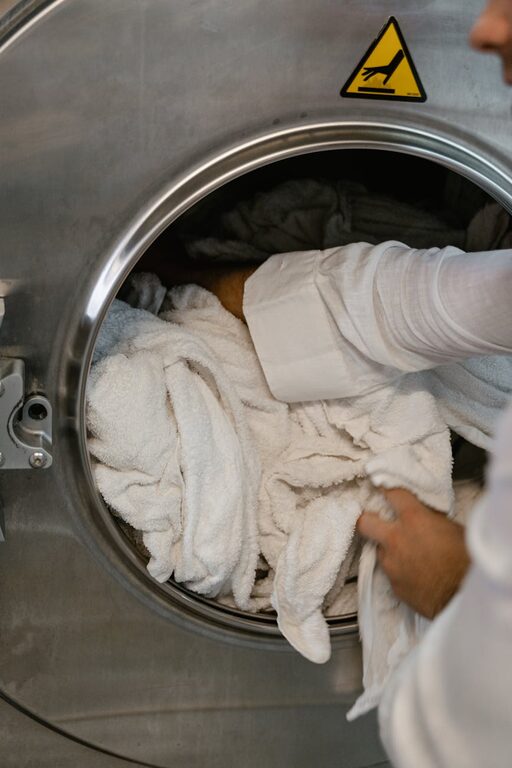
Taking good care of your clothes not only helps you save money but also reduces waste and keeps your wardrobe looking fresh and vibrant. Whether you have a few favorite pieces or a large collection, following some simple care tips can significantly extend the life of your garments. In this post, we’ll share practical advice on how to care for your clothes better, from washing and drying to storage and everyday habits.
Understand Fabric Types and Care Labels
Before diving into care routines, it’s essential to know what your clothes are made of and what their care instructions say. Different fabrics require different treatment.
Read Care Labels Carefully
Every garment comes with a care label that offers advice on washing temperature, drying methods, ironing, and more. Following these guidelines prevents damage such as shrinking, fading, or distortion.
Identify Fabric Types
Common fabric types include cotton, wool, polyester, silk, and linen. Each has unique properties:
– Cotton: Durable but can shrink if washed in hot water.
– Wool: Delicate and prone to shrinking; usually needs hand washing or dry cleaning.
– Polyester: Resists wrinkles and shrinking; easy to wash.
– Silk: Requires gentle handling and often dry cleaning.
– Linen: Breathable but can wrinkle easily; wash with care.
Understanding your fabrics helps you set the right washing and drying routines.
Washing Tips for Longer-Lasting Clothes
Washing is the most frequent form of cleaning and can heavily influence the longevity of your clothes.
Wash Less Often
Unless a garment is visibly dirty or smelly, consider wearing it a few times before washing. Overwashing can cause colors to fade and fibers to wear out faster.
Use Cold Water When Possible
Cold water preserves colors and reduces fabric shrinkage. Most modern detergents are effective in cold water, making it a safe choice for everyday laundry.
Choose the Right Detergent
Use detergents formulated for the type of fabric or color of clothes you’re washing. For example, color-safe detergents help maintain vibrancy, while gentle detergents protect delicate fabrics like wool and silk.
Turn Clothes Inside Out
Turning garments inside out before washing reduces friction on the fabric surface, preventing pilling and fading over time.
Avoid Overloading the Washing Machine
Giving clothes enough space allows them to move freely and get properly cleaned without excessive rubbing.
Drying and Ironing Best Practices
How you dry and iron your clothes has a significant impact on their durability.
Air Dry When Possible
Heat from dryers can weaken fibers and cause shrinkage. Whenever practical, hang your clothes to dry indoors or outdoors, away from direct sunlight which can fade colors.
Use Low Heat Settings
If you must use a dryer, select a low heat or delicate cycle to minimize fabric stress.
Iron with Care
Check garment labels for ironing instructions. Use the appropriate heat setting and consider placing a cloth between the iron and the fabric to avoid burns or shiny marks.
Avoid Over-Drying
Removing clothes from the dryer while slightly damp prevents stiffness and reduces wear.
Storage Tips to Preserve Clothing Shape and Quality
Proper storage protects clothes from damage during times they are not worn.
Use Appropriate Hangers
Choose padded or shaped hangers for delicate garments, such as blouses and dresses, to maintain their shape. Avoid wire hangers, which can leave marks.
Fold Heavy Sweaters
Hanging heavy knitwear can stretch the fabric. Instead, fold sweaters and stack them neatly.
Keep Clothes in a Cool, Dry Place
Humidity encourages mold and mildew growth. Ensure your closet is well-ventilated and dry.
Store Seasonal Clothes Properly
Clean clothes before storing them long-term. Use breathable garment bags or storage bins to protect them from dust and insects.
Everyday Habits to Boost Clothing Longevity
Small habits can make a big difference over time.
Spot Clean When Necessary
Instead of washing frequently, treat small stains immediately with a spot cleaner to avoid full washes.
Rotate Your Wardrobe
Wearing clothes evenly prevents some items from becoming overly worn while others remain unused.
Maintain Shoes and Accessories
Properly caring for shoes and accessories helps prevent damage to clothes, such as rough shoe edges snagging delicate fabrics.
Final Thoughts
Taking care of your clothes doesn’t have to be complicated or time-consuming. By understanding your fabrics, washing mindfully, drying properly, storing wisely, and adopting healthy clothing habits, you’ll keep your wardrobe looking its best for longer. Plus, these tips support more sustainable fashion choices by reducing waste. Start today with a few simple adjustments and enjoy the benefits of lasting, well-cared-for clothing.